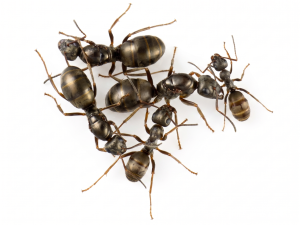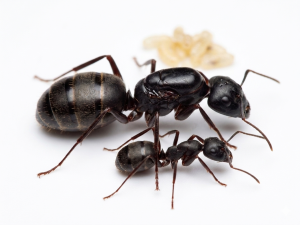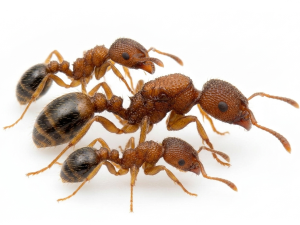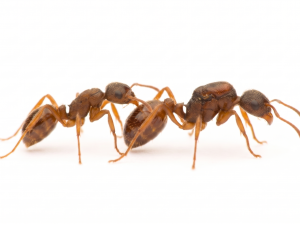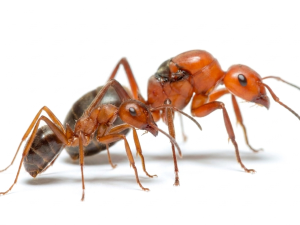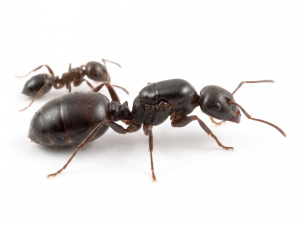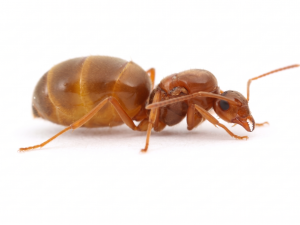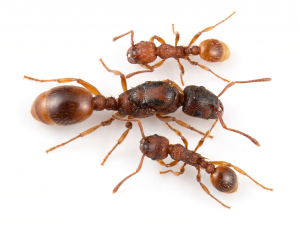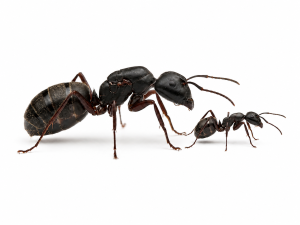
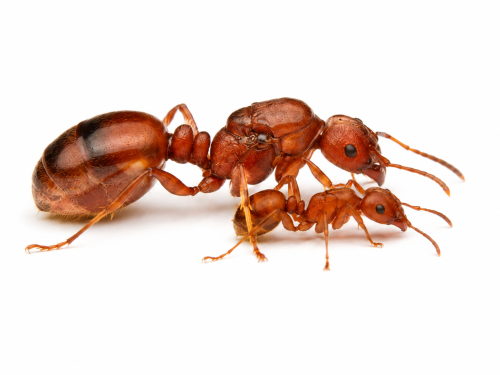
Manica hunteri (queen, eggs)
Manica hunteri is a striking and predatory North American ant species, easily recognized by its reddish-brown coloration and sharp mandibles adapted for hunting. Unlike many other ants, they are often solitary hunters, preying on small insects and arthropods with speed and precision. Found mainly in Canada’s temperate regions, they thrive in open meadows, grassy clearings, and forest edges. With their smaller colony sizes and fascinating hunting behavior, they are a unique choice for ant-keepers seeking something beyond the typical seed- or nectar-feeding species.
Size: Queen: 8–10 mm, Workers: 6–8 mm
Shipping: Available to all locations in Canada except during the winter period.
Live Arrival Guarantee: If the ant colony arrives dead or in poor condition, please contact for assistance.
40 in stock
Frequently bought together
A home for your colony plus an essential
About this product
Overview
Manica hunteri is a fascinating species of ant in the genus Manica, known for its aggressive hunting behavior and striking reddish coloration. Unlike many ants that rely heavily on cooperative foraging, M. hunteri is often observed as a solitary predator, making it unique among Canadian ant species.
Appearance
- Workers are typically 6–8 mm in length.
- The body is a reddish-brown to orange-red, with darker legs.
- Their mandibles are sharp and adapted for seizing live prey.
- Queens are noticeably larger and share the same reddish hue.
Distribution & Habitat
- Found mainly in Canada (especially Alberta and British Columbia) and parts of the northern United States.
- Prefers open meadows, grassy clearings, and forest edges with sandy or loamy soil.
- Colonies are usually small compared to other ant genera, often with only a few hundred workers.
Behavior & Diet
- Manica hunteri is a predatory ant, hunting small insects and other arthropods.
- Workers are fast and agile hunters, often tackling prey larger than themselves.
- They also feed on nectar and honeydew but are less dependent on these sources than other species.
- Colonies are considered monogynous (one queen per colony).
Colony Structure
- Small to medium-sized colonies (hundreds, not thousands, of workers).
- Queens establish colonies through independent founding after nuptial flights.
- Colonies grow slowly compared to species like Lasius or Formica.
Nuptial Flights
- Typically occur in late summer (July–August).
- Males and females take to the air during warm afternoons.
- After mating, queens shed their wings and search for suitable soil to begin a new nest.
Frequently bought together
Untick anything you already have.
Accessories you will actually use
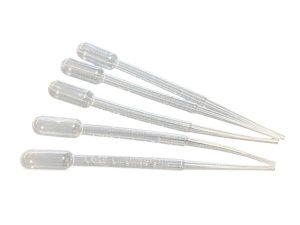
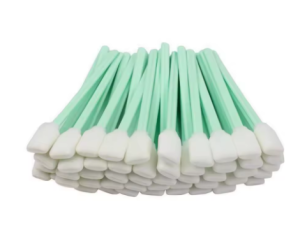
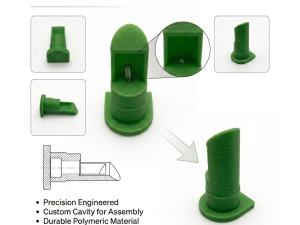
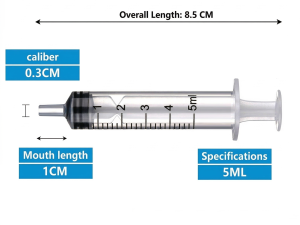
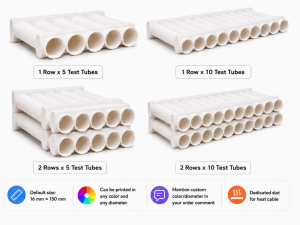
Feeders, tools and escape barrier. Small things that keep your colony happy.





Upgrade your setup
-
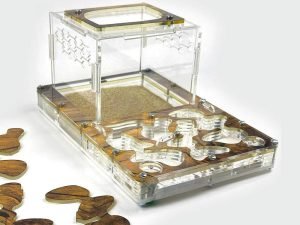
-
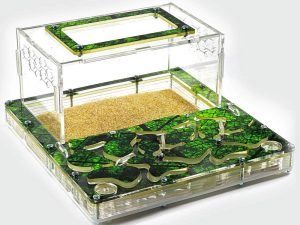
Modular Farm 3XL kit - Green
$120.00Options -
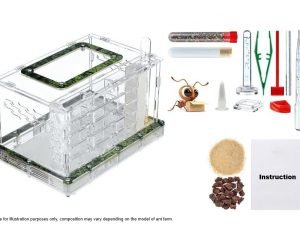
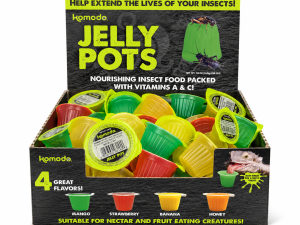
Food your ants will love
Protein, sugar and feeders for strong colony growth.

Ordering is easy
- Order onlineAdd items to your cart and check out in a minute.
- We confirmA real person checks your order and gets it ready.
- Ship or pick upShipping across Canada and to the USA, or pickup in Calgary.
- Enjoy your colonyNeed help after? We answer on WhatsApp.