

$10.00
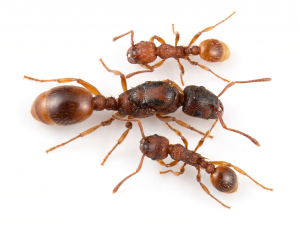
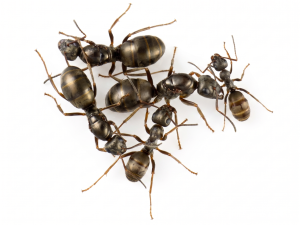
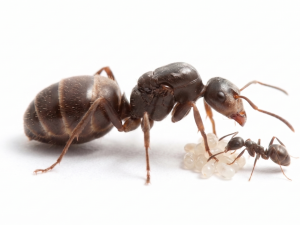
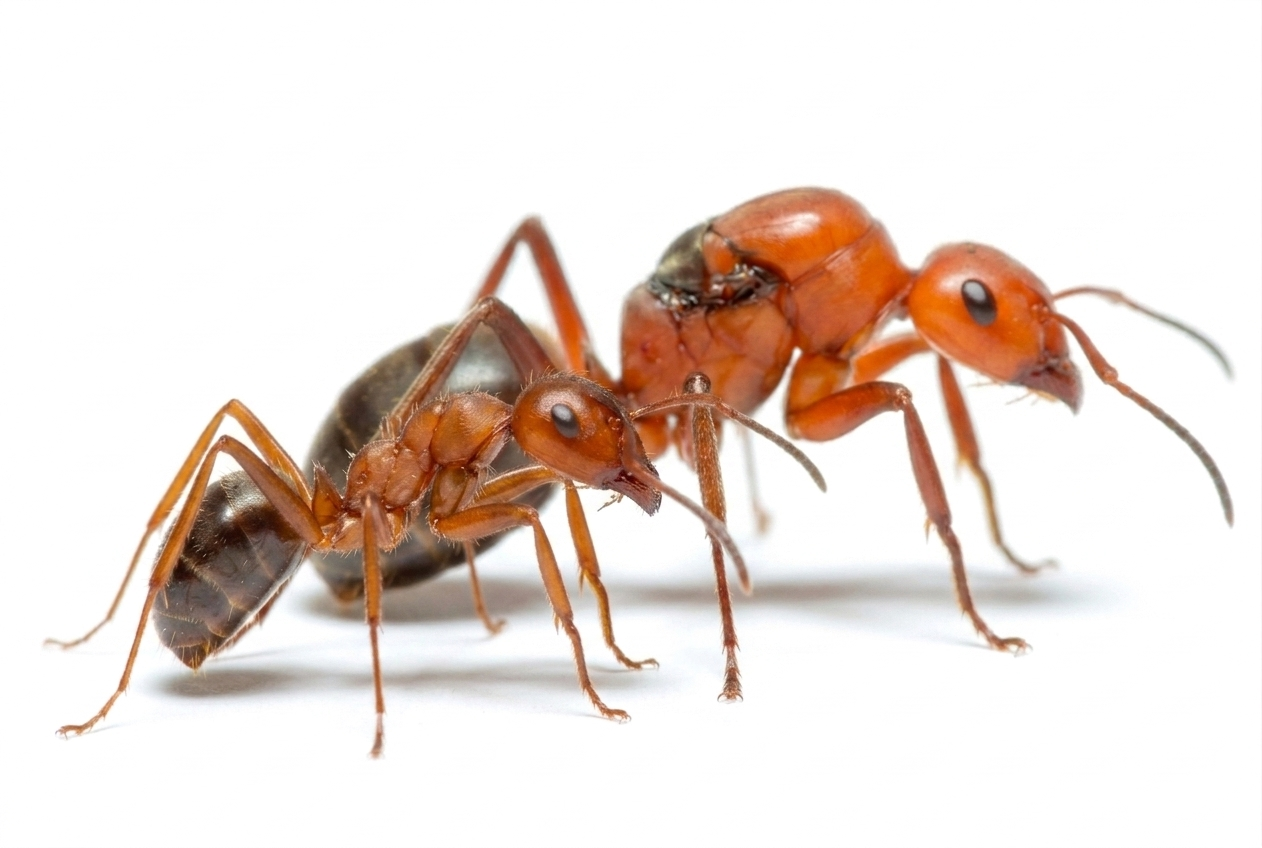
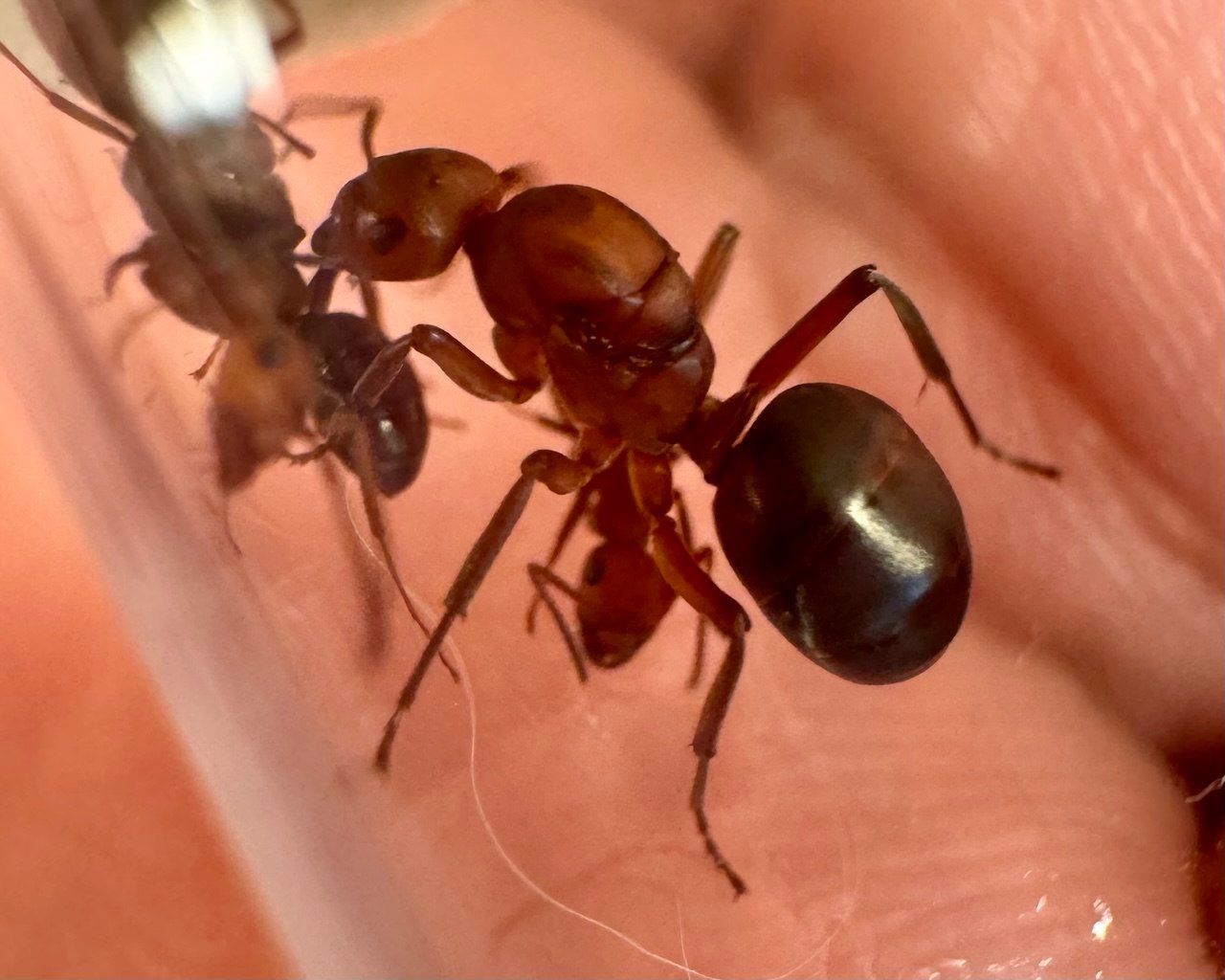
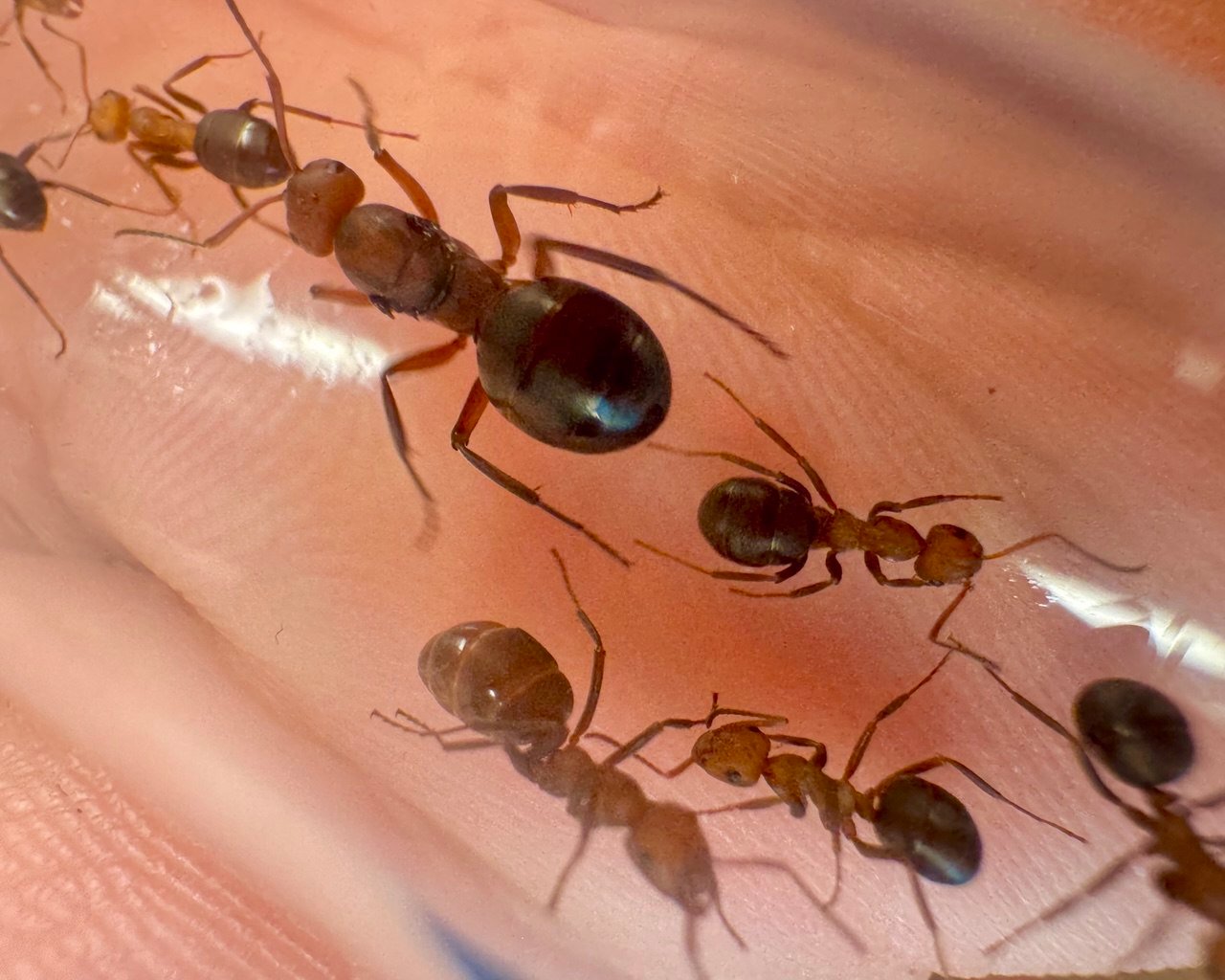
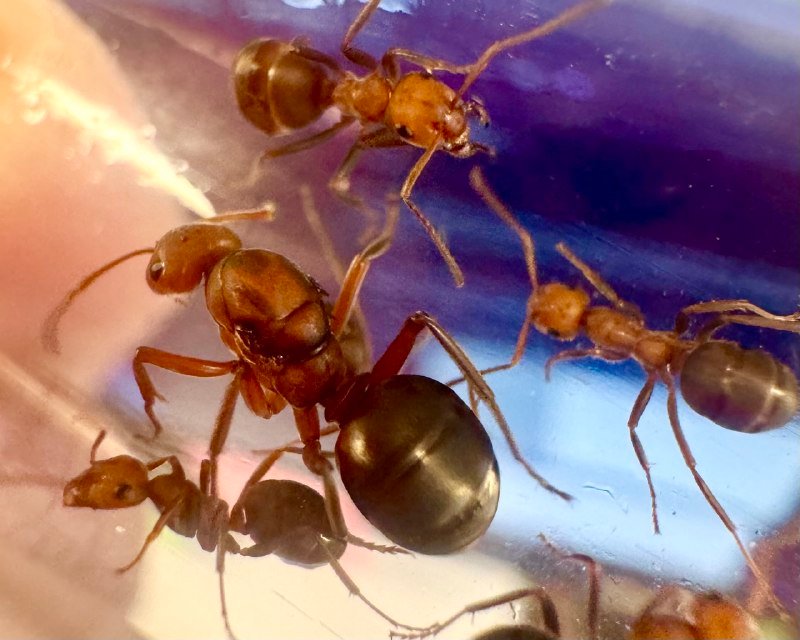
Formica integra is a robust and adaptable North American species, typically recognized for its sleek dark coloration, often ranging from deep brown to black across the entire body. These ants are well-suited to temperate climates and are usually found in open woodlands, grasslands, and forest margins. Known for their strong colony structure and persistent foraging behavior, they play an important role in their ecosystems. In ant-keeping setups, they are noted for their industrious nature and active colony dynamics, making them both fascinating and rewarding to observe.
Size: Queen: 7–9 mm, Workers: 4–6 mm
Shipping: Available to all locations in Canada except during the winter period.
Live Arrival Guarantee: If the ant colony arrives dead or in poor condition, please contact for assistance.
Out of stock
Description
Species Info:
General: A hardy, ground-nesting species of the Formica genus, Formica integra is widely distributed across North America and thrives in mixed woodlands, meadows, and forest edges. Known for its strong territorial behavior and efficient foraging trails, this species is often observed engaging in cooperative hunting and tending of aphids. Queens are moderately sized, and workers display a glossy dark brown to black coloration, sometimes with faint reddish highlights on the thorax. Colonies are quick to defend themselves and display notable aggression toward intruders.
Diet: Omnivorous, with a strong preference for sugars and live prey. They accept honey water, sugar solutions, and proteins such as fruit flies, crickets, mealworms, and other small insects. Supplemental protein promotes rapid brood development and larger worker populations, while sugars fuel foraging activity.
Temperature: Best maintained between 70–82°F. While they tolerate cooler temperatures well, they prefer stable warmth during the main growth season. Activity is often reduced in colder conditions, but they remain resilient in temperate climates.
Diapause: Necessary for sustained colony health. Colonies require a 3–4 month winter diapause around 38–45°F. This period can be achieved in a refrigerator, wine cooler, or a naturally cool area. Gradual cooling and re-warming is recommended to simulate seasonal cycles.
Growth: Development from egg to worker typically takes 6–7 weeks under optimal temperatures. Colonies expand at a steady rate, producing several hundred workers within the first 1–2 years. With good care and sufficient space, they can grow into large, vigorous colonies that exhibit complex social behaviors and strong defensive responses.
Additional information
| Weight | 0.440925 lbs |
|---|---|
| Dimensions | 3.93701 × 3.93701 × 3.93701 in |
You may also like…
-
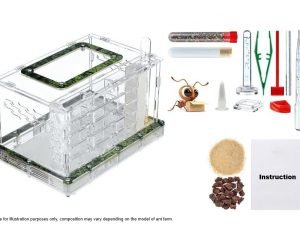
Modular Farm 3XV kit
$125.00 Select options This product has multiple variants. The options may be chosen on the product page -
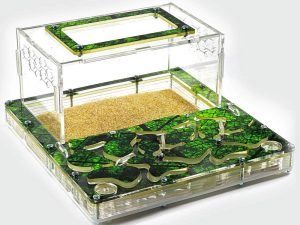
Modular Farm 3XL kit – Green
$120.00 Add to cart -
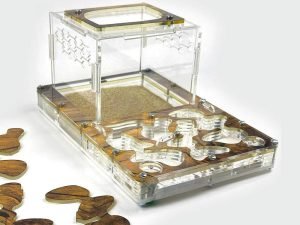
Modular Farm 2XL kit – Brown
$90.00 Add to cart